Introduction
This report is an activity for the Hyper Island Digital Management Masters program. Its objective is to compare and critique innovation models in enterprises and startups for various industries. The content is composed of two sections. The first part compiles the main findings from the secondary research. This section covers the concepts of rapid and radical innovation, open innovation on enterprises, how startups innovate, and the role of design in innovative digital products' success. The second part explores the steps to create a Design System in the author's workplace, eBay Classifieds Group. This solution aims to become a centralised source of truth that can help the company accelerate and scale innovative solutions.
Part One: Analysis and comparison of innovation models
Innovation does not happen overnight
Rapid innovation is becoming a top priority for enterprises and startups, fuelled by the constant competition to create products and services using emerging technologies to satisfy user needs (Filippini et al., 2004). Speed is without doubt a crucial component of innovation.
But it's essential to understand the difference between rapid and radical innovation. According to Grass et al. (2020), rapid innovation responds to the need to increase adaptability. Frameworks such as agile were introduced in the IT industry as a way of making this possible (Fig 1). The framework allows for quick adaptation of priorities and provides clear definitions of what should be done in the short term.
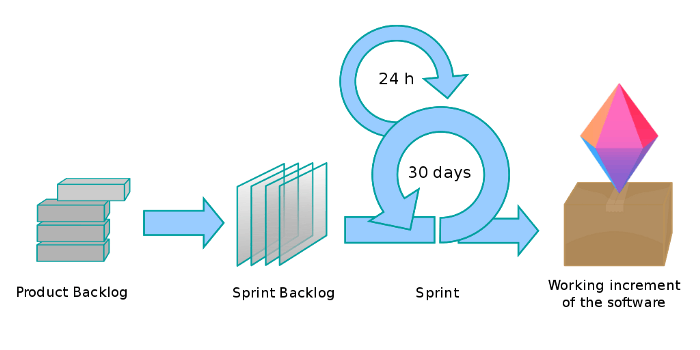
Ahuja and Lampert (2001) affirm that radical innovation is the core of wealth creation and entrepreneurial activity. But different from rapid innovation, this type doesn't necessarily mean that an idea was materialised overnight. According to Johnson (2010), the perception that world-changing ideas happen overnight is a myth. They evolve over time, gradually maturing. So the Eureka moment, often seen as an isolated event, does not represent how great ideas come to life. Even the internet itself had a long path before existing. Its creator, Tim Berners-Lee, worked on what ended up becoming the World Wide Web as a side project. It took a few years before it became the start of what we know as the internet today.
The power of open enterprise innovation
Chiaroni et al. (2010) define open innovation as the practice of creating and nurturing relationships with individuals and external organisations, with the purpose of accessing specific scientific or technical competencies to improve internal innovation. An approach that can be seen as risky by some companies, but that can be the secret of growth for others.
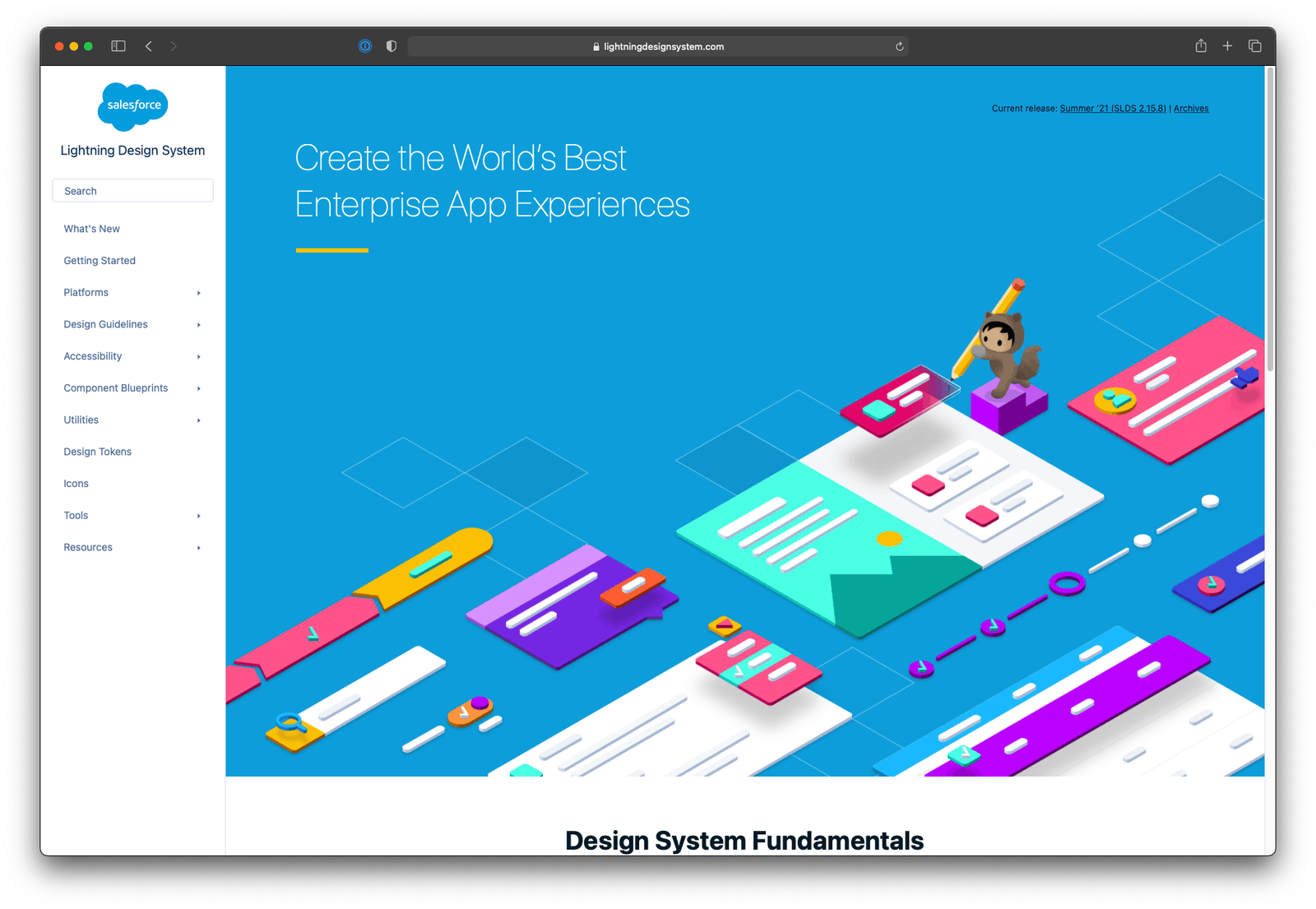
Big enterprise software companies have been adopting open innovation for certain parts or the totality of their businesses. Most of these companies concentrate their knowledge into one source of truth, a documentation known as a Design System (Fig 2). A place where processes, frameworks and guidelines for how to build solutions are hosted. For example, Salesforce (2021) has an open space that intends to help anyone create the world's best enterprise app experiences, which requires their solution. By opening their way of work, non-employees can validate the company's methods and frameworks, providing a volume of insights and feedback that would not be possible otherwise. Another potential benefit of this approach is to demonstrate the company's maturity, which could lead to attracting new talent.
The rise of innovative startups
Johnson (2010) affirms that innovation is often limited to what is possible at the time, or in the author's words, the adjacent possible. Great leaps are rare but they have an immense chance of failing. So even tech companies, such as eBay, could not be created in the fifties. Computers, networks and the internet had to be created first. But the internet by itself does not guarantee innovative solutions or the creation of startups. Johnson (2010) says that the combination of platforms is a significant catalyst for innovative solutions. The author uses the example of GPS, that combined with the internet and mobile devices allowed startups like Uber to be possible.
But startups often face challenges to bring their innovative ideas to life. Investment is usually one of the biggest obstacles for these companies to get their innovations to market. To make this scenario even more challenging, according to Marullo et al. (2018), financial resources have a weak effect on startup success. They are relevant to take ideas out of the paper, validate solutions and build products. But it's not a guarantee that all well-invested startups will become successful, mature companies. Designers can be a way for these companies to make safer bets when it comes to innovative solutions. They do not only bring more return on investment (McKinsey, 2018), but they also make sure that business objectives can be aligned to customer needs (Berkun, 2020).
The role of design in enabling innovation
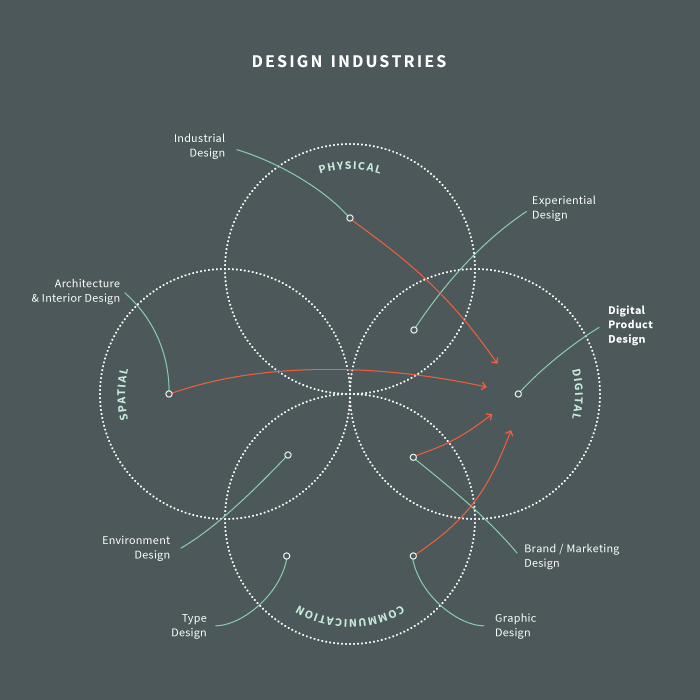
The design practice is vast, but over the past years, the growth of digital solutions such as Netflix, Spotify, Google and others required the market to adjust. The adaptation was necessary as a response to the migration of designers from more traditional mediums to what is now known as Digital Product Design (Fig 3). According to DeVay (2019), the term is characterised by the combination of designers from multiple backgrounds becoming responsible for a spectrum of tasks, ranging from Strategy & Research to User Interface design. But instead of delivering physical products, the result of their work is software.
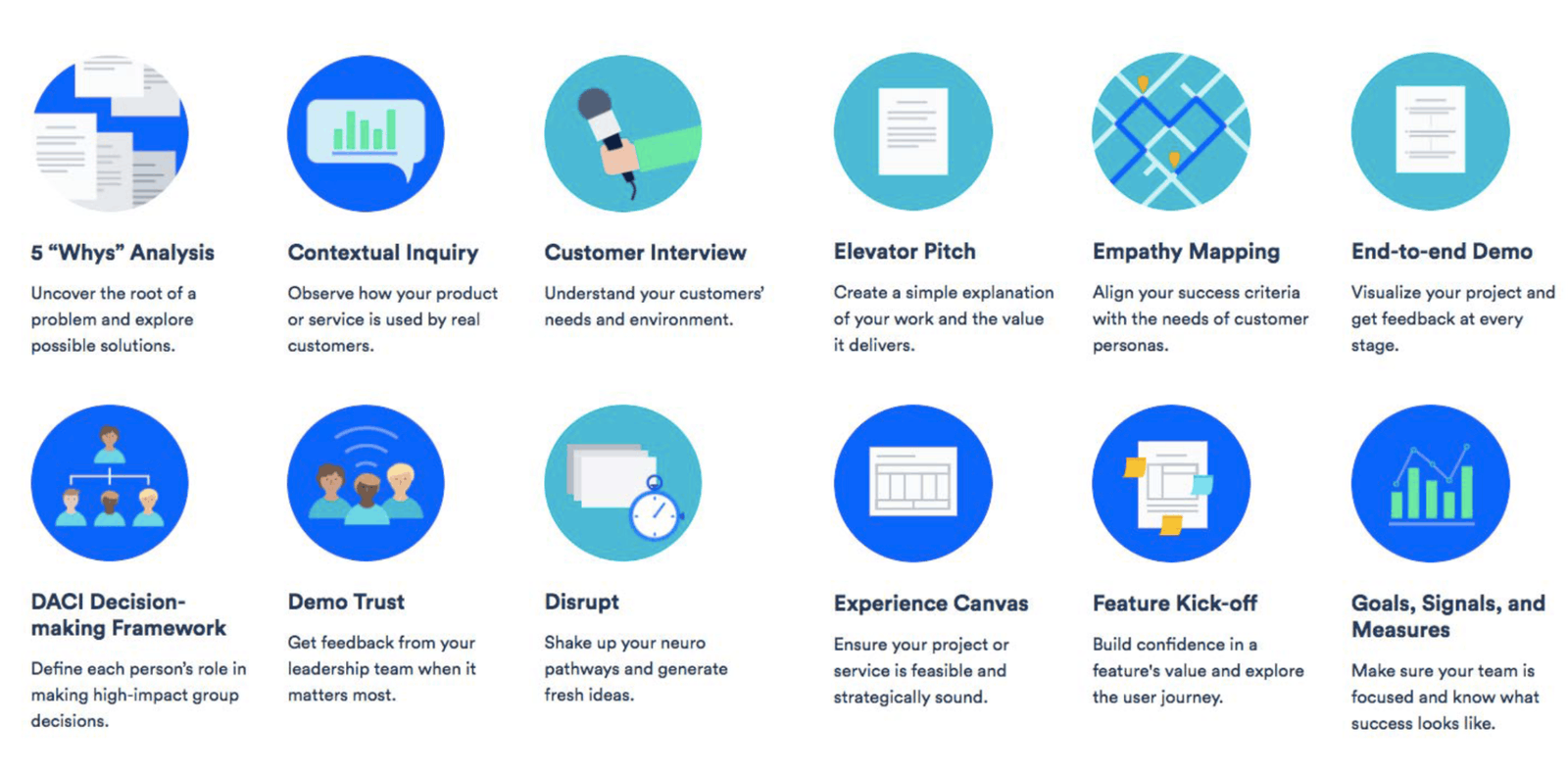
This combination of diverse design backgrounds is potentially one of the main drivers that help these companies innovate. Designers are known for their ability to solve problems and drive innovation via frameworks and methods such as Design Thinking (Brown and Katz, 2019) and the Double Diamond (Design Council, 2015). Designers should also act as enablers for innovation. They should onboard and empower other stakeholders from the organisation to also be able to do it. As an example, on its Design System, Atlassian offers not only guidelines on how to build products, but also extensive documentation with resources for non-designers (Fig 4). In this section, they can learn methods and frameworks and have the autonomy to bring new ideas to their teams.
The more people a company has thinking about innovation, the better. But without the proper space for collaboration, most of the ideas will be lost. According to Johnson (2010), collaboration is at least as important a driver of innovation as competition. Shared interactions allow ideas to diffuse, circulate and ultimately be combined, and it can benefit from different disciplines discussing the same problems.
Part Two: Opportunity for innovation in the workplace
The author of this report works at eBay Classifieds Group, the parent company of some of the world's biggest marketplace brands. These products enable millions of people to buy and sell through connected commerce. To quickly validate this report's learnings, a pilot project was established in one of the company brands, the Dutch marketplace called Marktplaats. This product was chosen for being one of the most mature operations and considered a reference for other markets, which means that a successful project for this product would increase the chances of adoption in other markets. It builds on other tooling and process work happening in parallel across the same design team, covered in more depth in a related report on scaling the delivery of design solutions at eBay Classifieds Group.
The author will reference two distinct groups of people who can benefit from the potential solution from this phase ahead:
- Users: Internal company stakeholders that will use the proposed solution to improve the way they work.
- Customers: Non-employees that the solution will indirectly impact via its usage of the company's products and services.
The insight
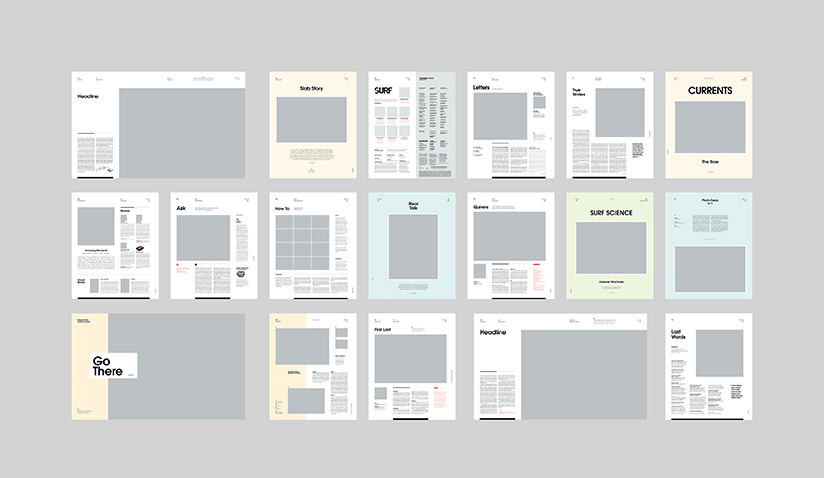
When people play with Lego, a system creates constraints while still allowing multiple ideas to be put into action. The same can be considered for the way software is designed and built. By modularising how to solve its problems, a digital solution can be designed and built faster than before while still reflecting the product's brand. The inspiration for this idea comes from two sources, besides the Lego analogy. The first is how editorial projects handle consistency across multiple editions, helping maintain the brand characteristics and a known order to users on what to expect from each section (Fig 5).
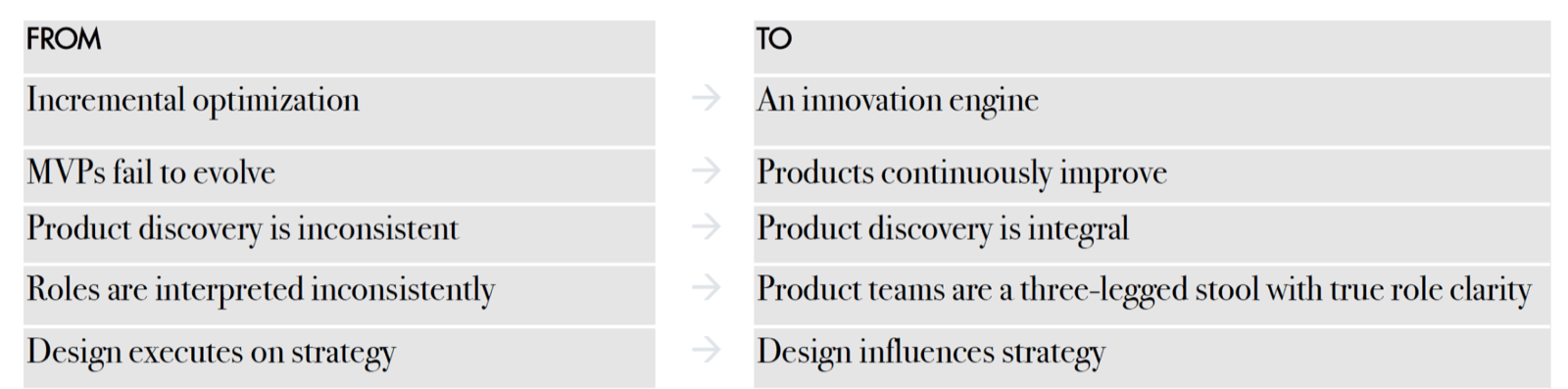
The second comes from an internal assessment conducted four years earlier by an external consultancy (Buley, 2017), aiming to identify the company's pain points in delivering more innovative solutions (Fig 6). The lack of speed and understanding of the product as a system was identified as a barrier to innovation. Instead of becoming an innovative engine, the company was prioritising incremental optimisations. A strategy that is not a problem by itself, but that can become an issue if it's the only type of work being done.
Methodology
The methodology adopted is an established process in the author's workplace. It's an adaptation of the Double Diamond (Design Council, 2015), where the stages can be adjusted to support solving problems of different sizes, from minor interface issues to new features created from scratch. These are the stages and activities that will be performed:
- Problem definition: Prioritisation of the most significant issues and defining the scope of what should be created.
- Ethical considerations & Principles: This project will directly impact the company's customers, so their diversity and needs should be taken into account.
- Ideation: Exploration of different solutions that can potentially solve the problem.
- Prototyping: Interactive version of the solution so that it can be shared and validated with multiple stakeholders.
- Validation: Identification of the solution's pros and cons, followed by incorporating the main learnings in a series of recommendations for improvement.
Once the validation is done, the potential next steps for the project will be defined, followed by a presentation of the report outcome to the company's senior leadership.
Problem Definition
The research in part one indicates that besides adopting tools and frameworks, it's necessary to align on how and when to use them. A centralised and collaborative source of truth should be in place first, the so-called Design System, so teams at Marktplaats can become faster, more efficient and innovative.
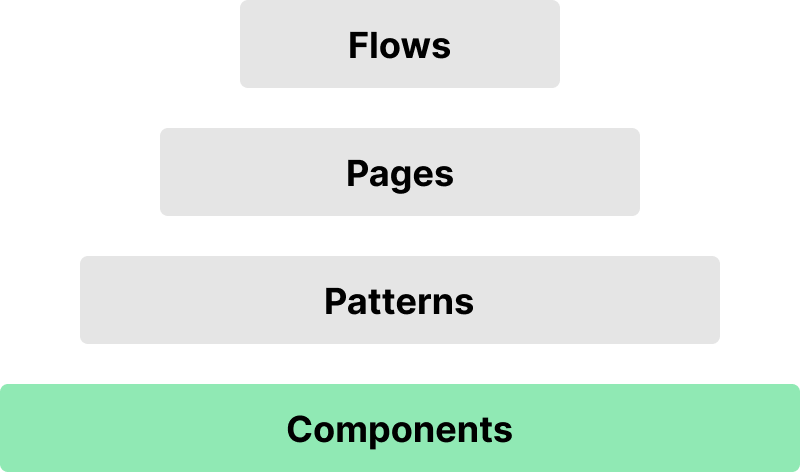
Considering the time constraints for this report, the scope will be to deliver a website containing only the first layer of the elements that compose a complete Design System (Fig 7). This layer is the components layer, a set of interface patterns that can be reused across the whole platform and provide a consistent and scalable cross-platform solution when combined. If this solution offers the expected results, the following layers will also be added during the potential next stages.
Ethical considerations and principles
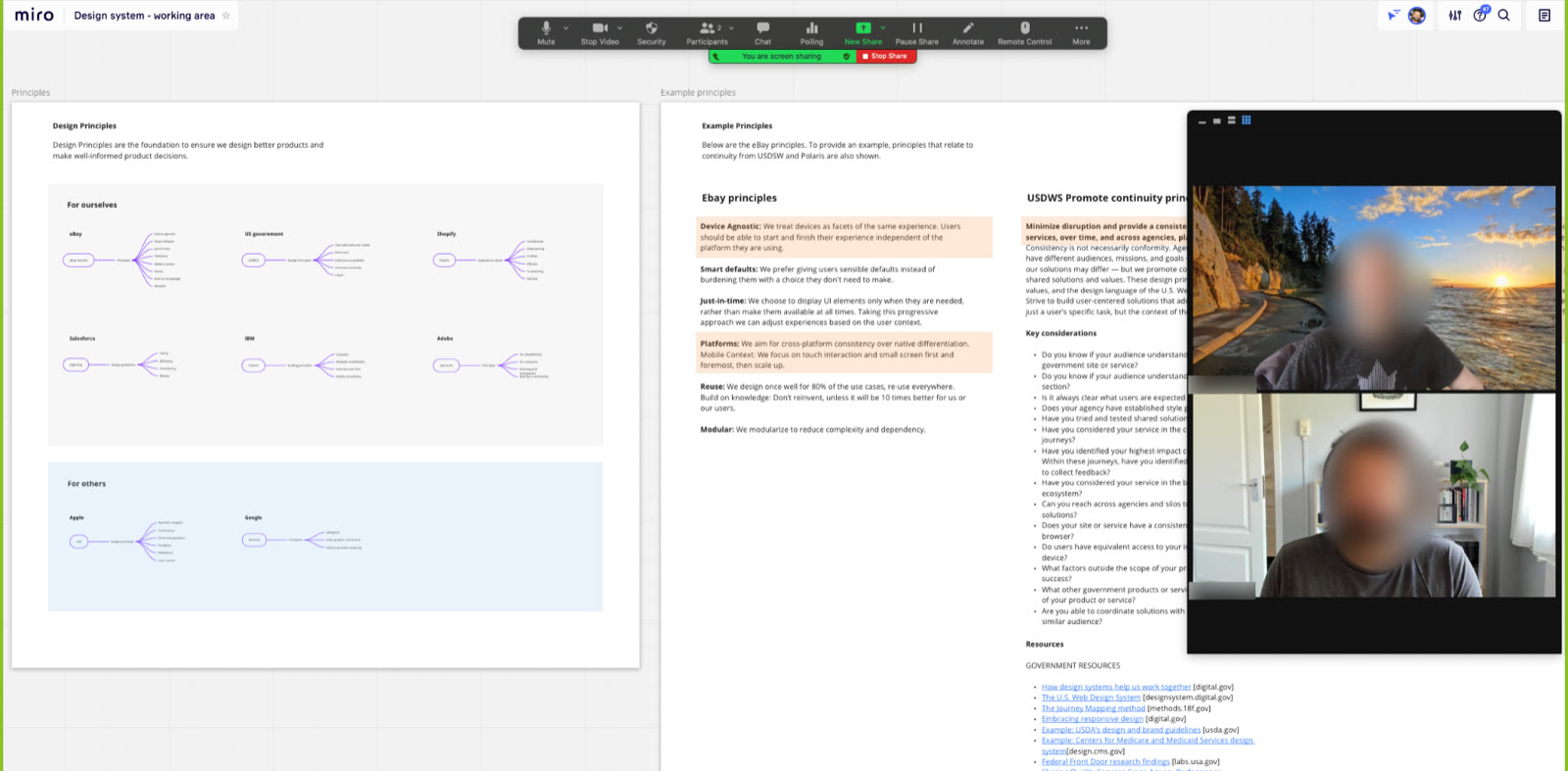
Customers are the end-users of this solution, and as noticed from the previous analysis, most Design Systems heavily focus on accessibility and inclusion (Fig 8). This work is usually part of a more extensive set of principles intended to guide changes or additions to the Design System and ensure that the created solutions can benefit as many customers as possible.
An external consultant was hired to help the design team create this set of principles. Through the mapping of references and a workshop for refinement, the team was able to come up with the following principles for the Design System:
- Cater for the context: We tailor our solutions to the person's needs, independent of which device they are using.
- Enable collaboration: We foster connections between people, helping them to come up with the best solutions.
- Good design for all: Inclusion is embedded in the core of our work, we don't create solutions for a group, we create for all people.
- Easier than ever: Our work makes the life of others easier, we handle complexity on their behalf.
To validate this initial but essential step, the project objectives alongside these principles were presented in a company-wide meeting.
Ideation
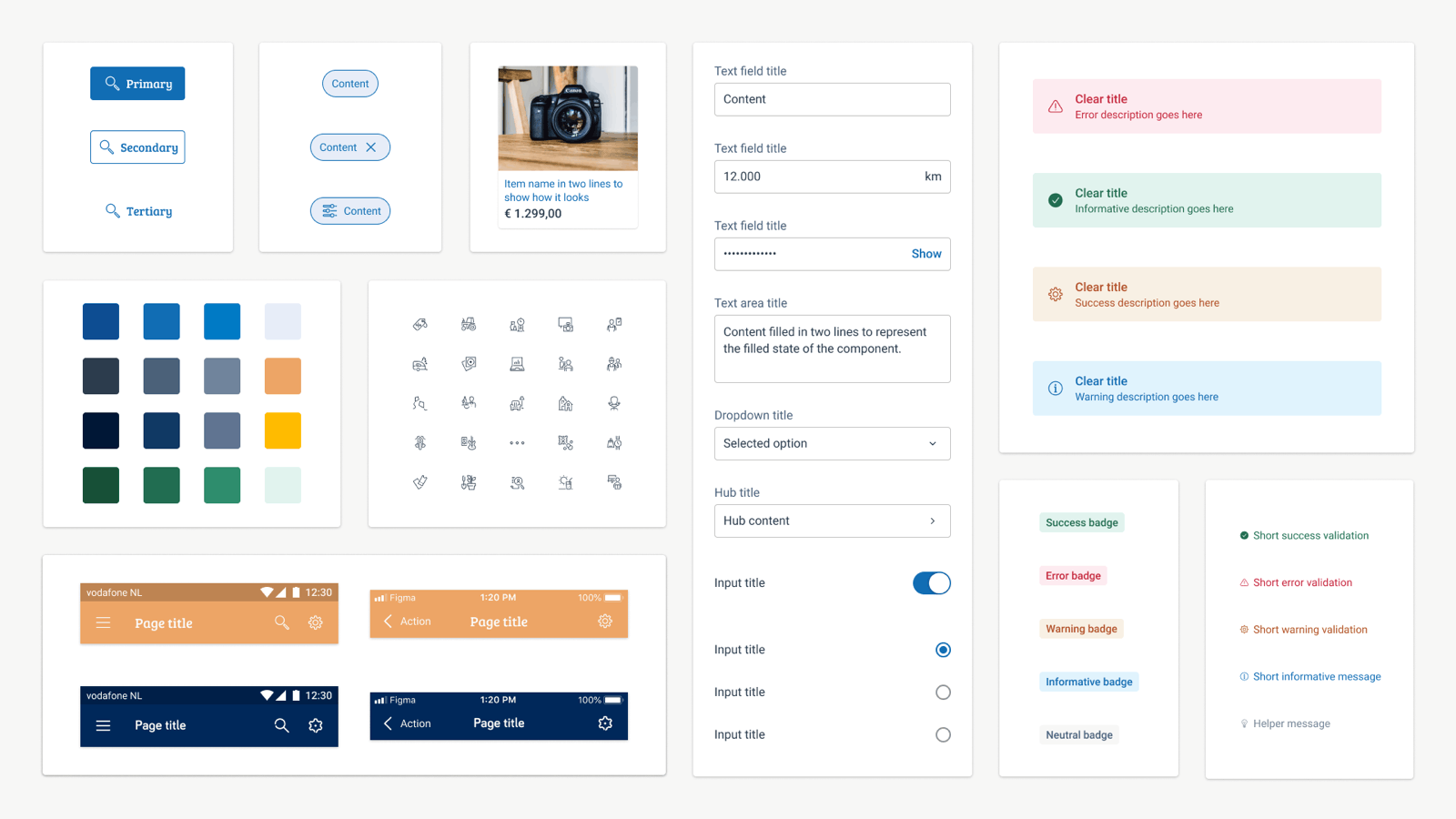
The ideation was made in partnership with the design team, where they were invited to contribute to the first components. For the sake of this report, just a small initial set of 20 components was designed, the ones observed to be the most used (Fig 9).
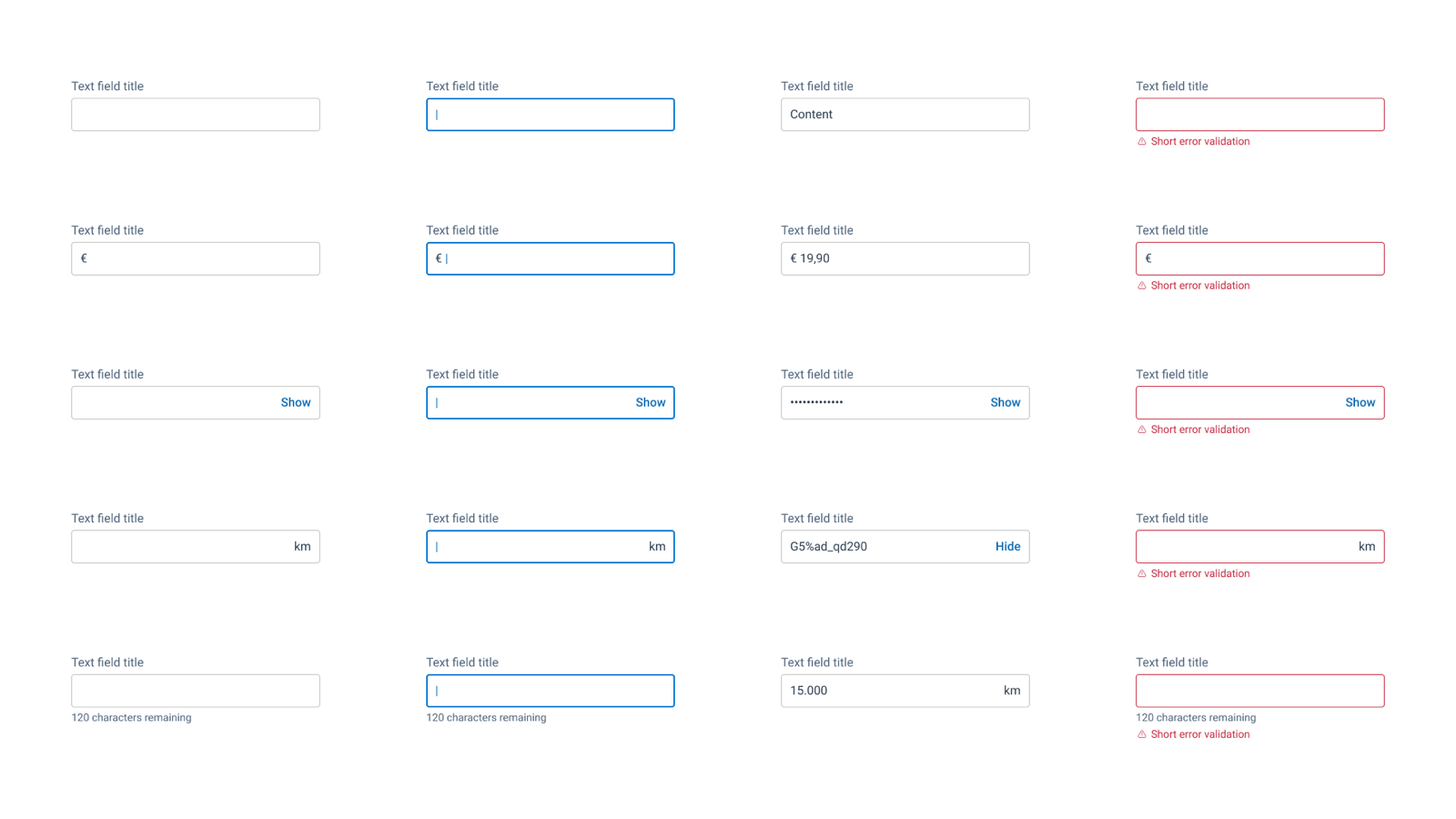
It's estimated that it will take more than a year to design all 72 identified components. This long timeline reflects the previously mentioned focus on incremental optimisations, which resulted in this type of work not being prioritised earlier. The example below illustrates the challenge well. It shows how much planning is necessary for a Text Field input (Fig 10), where all the behaviours of typing, focus and error states should be defined for its proper implementation. For this component, more than five different designs were made before a usable version was achieved.
Prototype
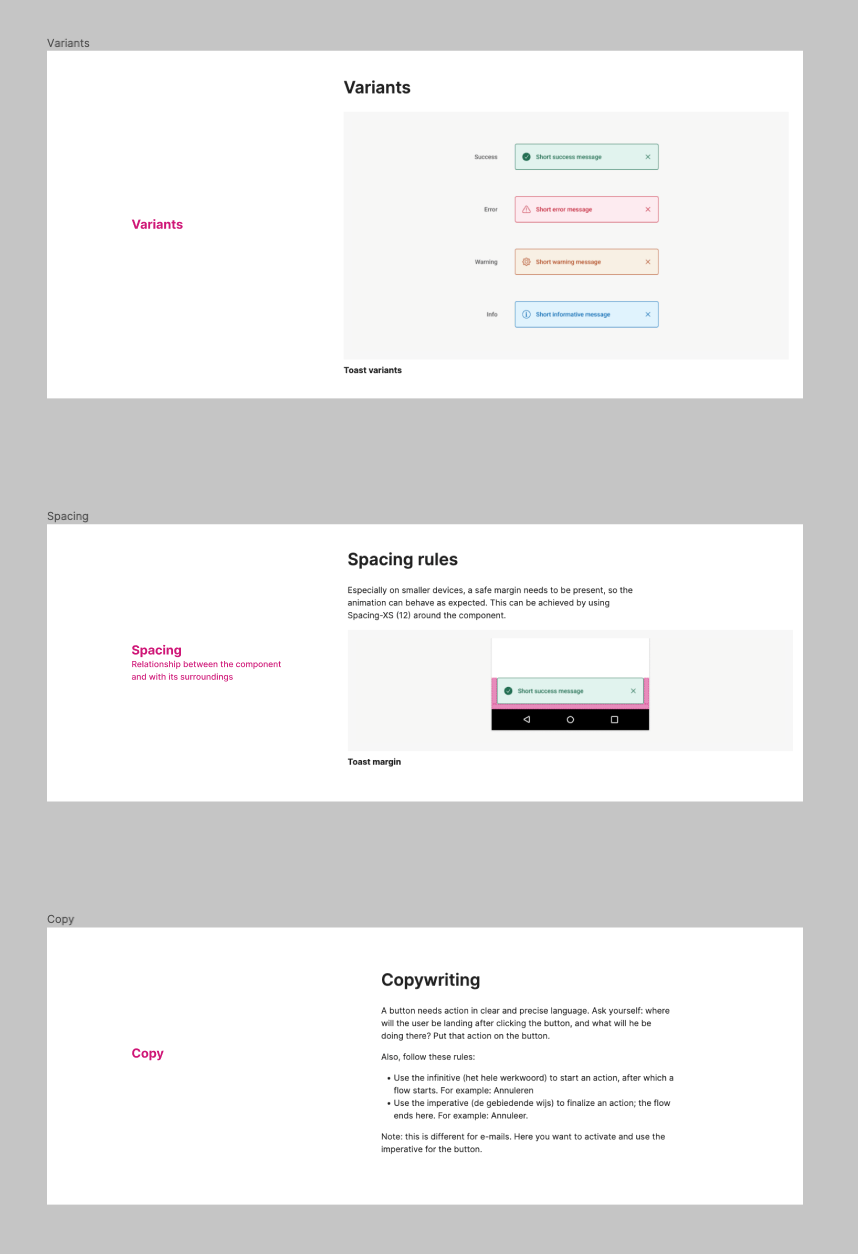
The components alone do not solve the problem. As observed previously, it's also necessary to create documentation for the Design System, indicating how these components should be used. For this part, the design team mapped and explored the best order to present these usage guidelines (Fig 11), resulting in a template that can be used on multiple pages of the website.
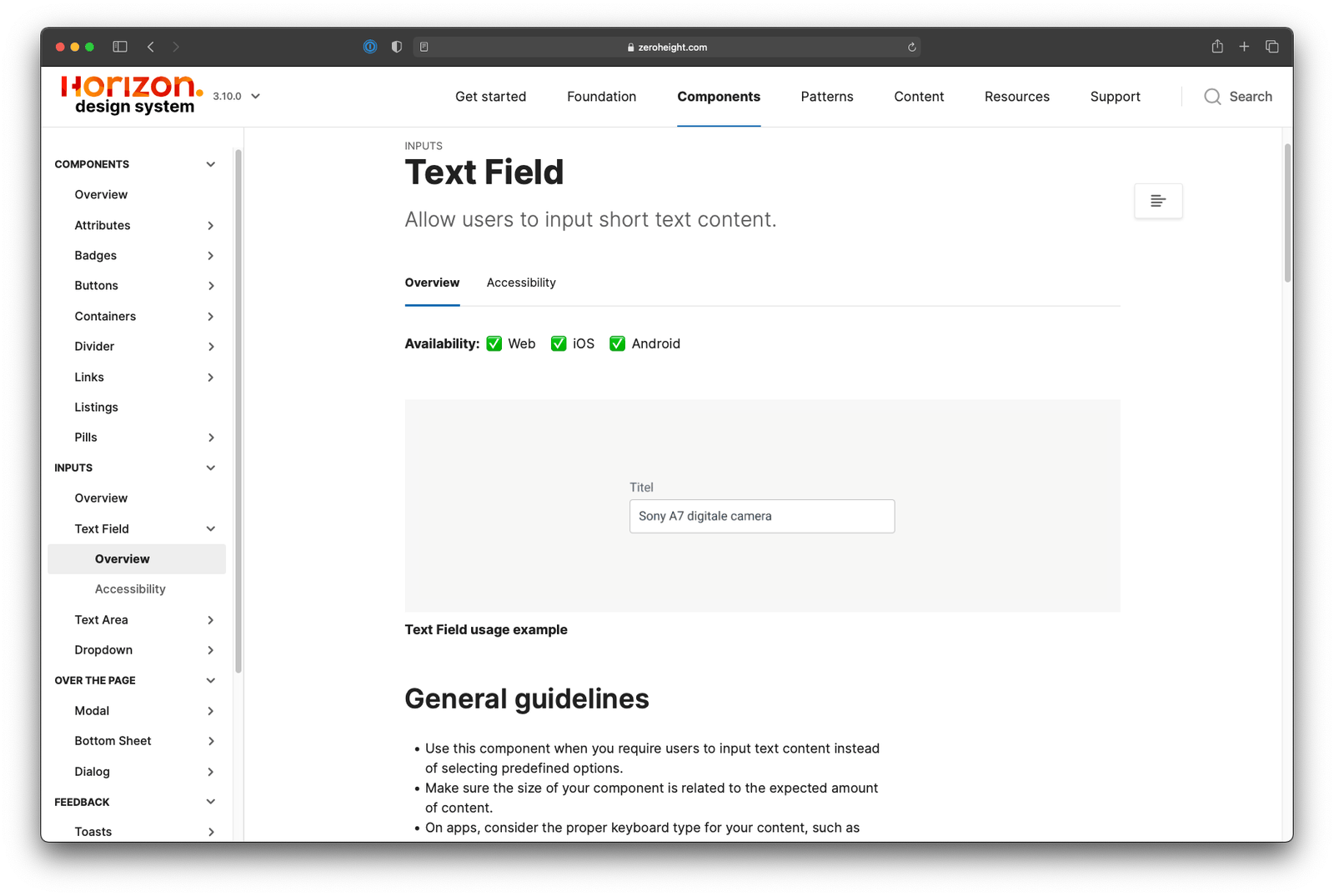
For the prototype, an actual website accessible only within the company network was created (Fig 12), containing usage guideline pages for the initial set of components. The design team decided to share the prototype with a bigger group even before the planned validation sessions. The website was shared with all Product Managers, Developers, and Designers from the company to receive feedback from very early stages.
Validation
The validation was made in three different phases. The first was focused on the navigation and content of the Design System documentation website. For the second, a designer worked on a hypothetical briefing that required multiple components. And for the third, a team was invited to use the Design System on an actual project.
Validation 1
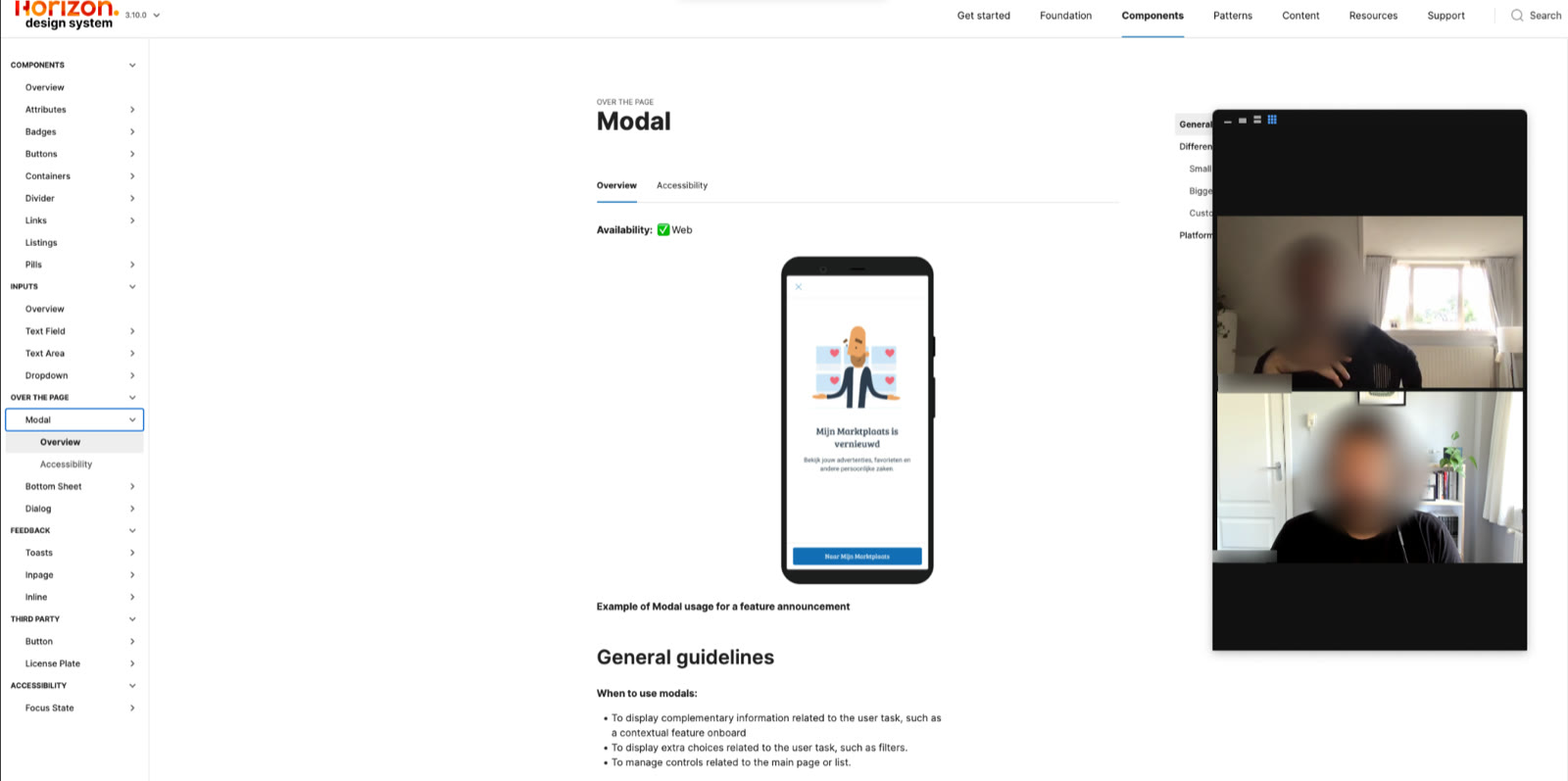
Designers were invited to navigate the prototype and were asked to find specific components, to evaluate the website's information architecture and copy (Fig 13):
- Pros: Clear navigation, made possible by providing easy access to more significant themes on the top and sub-options on the left sidebar. The component list could also be easily accessed.
- Cons: No critical points were identified in this validation.
Validation 2
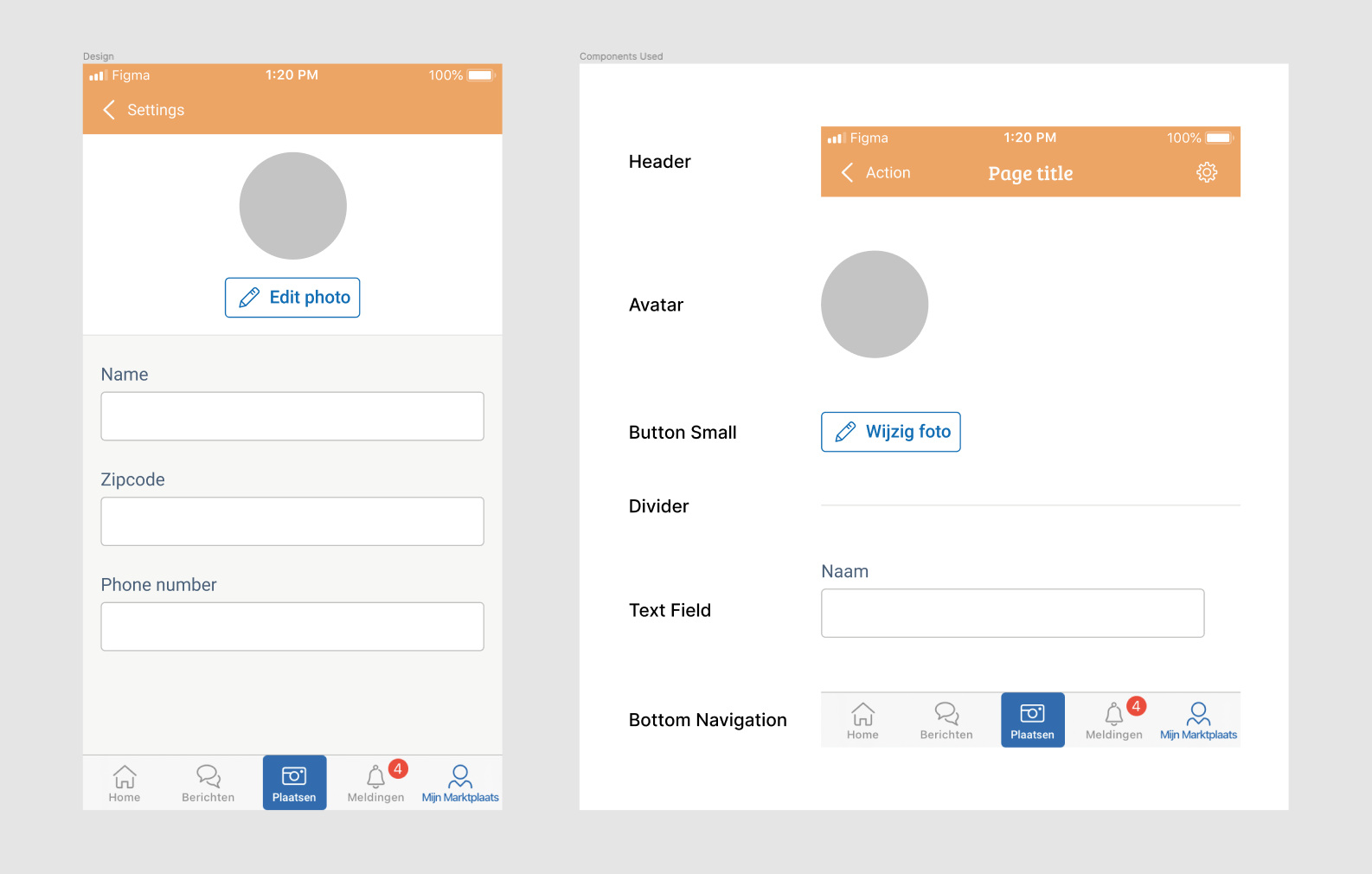
A designer was challenged to build a hypothetical solution using components and their guidelines to create a user profile page. This page was supposed to contain a photo, name, zip code and phone number (Fig 14):
- Pros: With a few modifications, one component can be reused for multiple challenges. Also, designers can focus more on the problem and less on the interface, since these elements already carry all the brand's visual elements.
- Cons: The name of some components does not match expectations from how internal teams commonly refer to them.
Validation 3
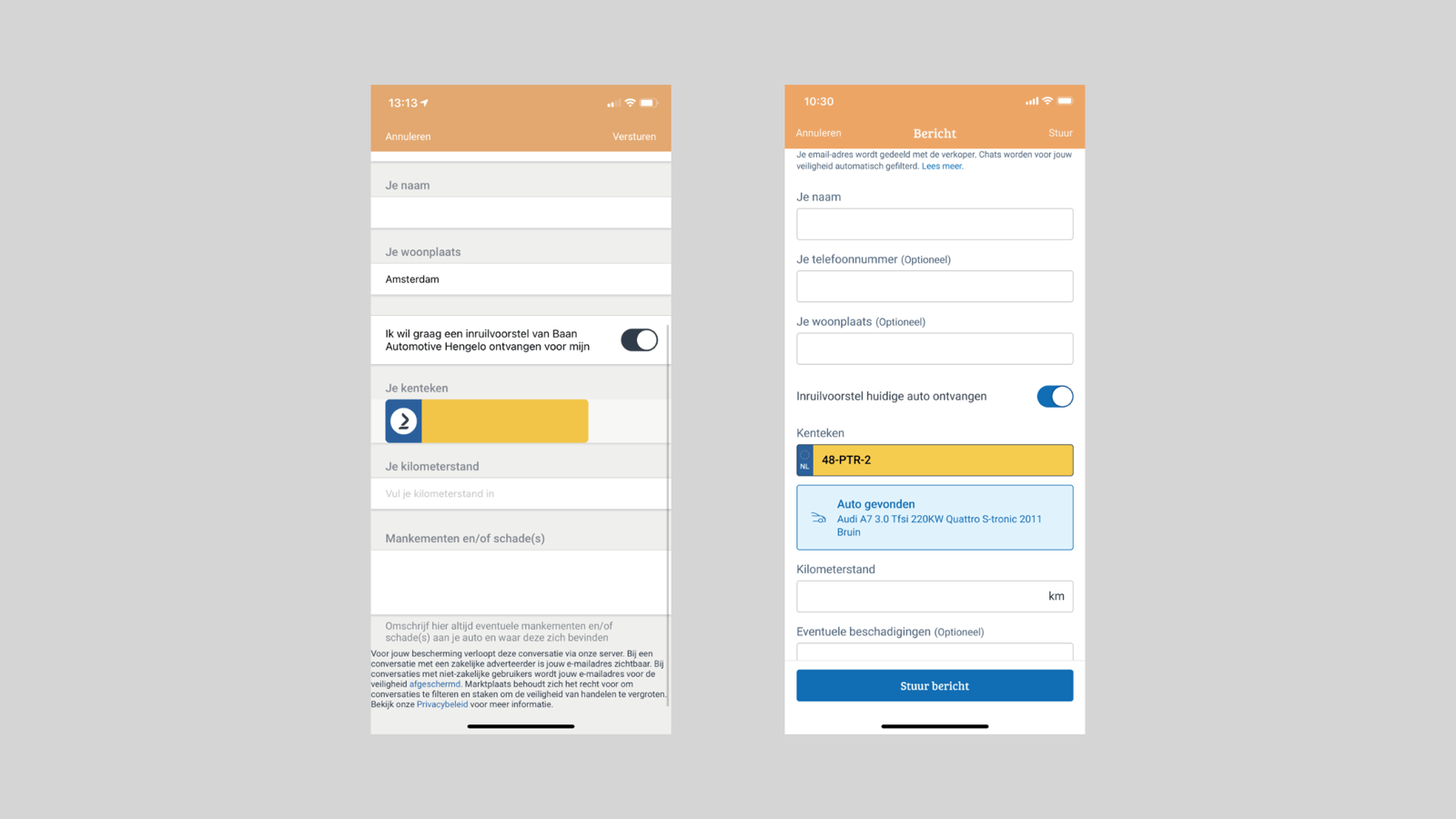
A more complex validation took place by challenging one of the product teams to rebuild one of their existing pages (Fig 15):
- Pros: Designers and developers quickly accomplished the task. There is less need for manual documentation by designers. Multiple usability and accessibility improvements are already embedded into the components, making it easier for the solution to be tested in different scenarios.
- Cons: The documentation is missing key components and still does not cover all necessary scenarios. A channel for direct feedback and questions should be created, as it was not clear how to ask for help regarding the documentation.
Next steps
The standardisation and modularisation of components are only the beginning of the work. For the project to grow, it will need the support of stakeholders from multiple departments. As described by Gladwell (2002), there is a need to aim for the tipping point of an innovation, the moment when the spread of a particular technology, product or service becomes inevitable, causing it to spread rapidly. Gladwell (2002) affirms that the way to achieve it is to find the most engaged people who can influence others, the so-called 80/20 rule, where 20% of people tend to influence 80% of the outcome.
So in order to find these project influencers, a channel was created in the company's internal messaging tool, a centralised place where all employees from the product, design and technology departments can engage with the project. The design team will also use this channel to share the latest updates to the Design System.
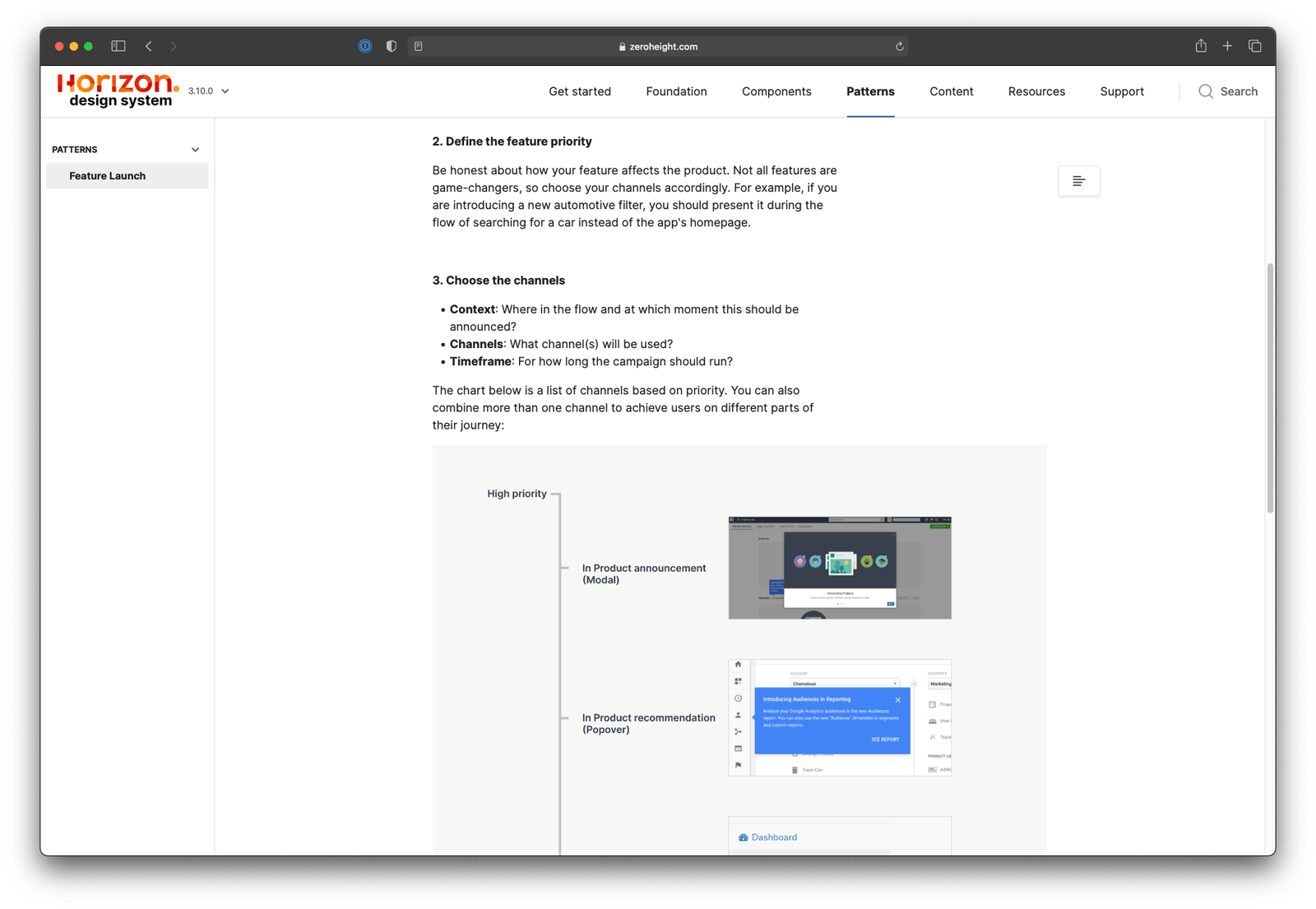
At the end of the project, the content of this report was presented to the leadership team at Marktplaats. It was well received, and the results enabled the team to gather the support needed for the project's continuation. That support is coming in the shape of financial resources for tools, services and external consultants. With the now more advanced work on components, the team started to pursue its next challenge, the patterns layer (Fig 16), with the objective of helping with more complex problems, such as guidelines for launching new features, sign-up flows, and onboarding users for the first time.
Conclusion
It's impressive how a simple task such as documenting our ways of work can impact innovation in an enterprise such as eBay Classifieds Group. By creating a shared and collaborative way of solving the company's challenges, more people are now able to contribute to innovative solutions. Of course, there is a long path to becoming the innovative engine mentioned as an objective earlier, but it's a step in the right direction. The more we share knowledge and put effort into having one source of truth for how we build digital products, the more we will benefit. From minor changes to big bets, the learnings gained from applying our Design System documentation guidelines are just starting. Still, its value is already changing the way we work and innovate.
Bibliography
- Ahuja, G. and Lampert, C. M. (2001) 'Entrepreneurship in the large corporation: a longitudinal study of how established firms create breakthrough inventions', Strategic Management Journal, 22(6–7), pp. 521–543. doi: 10.1002/smj.176.
- Berkun, S. (2020) How Design Makes the World. Available at: overdrive.com.
- Brown, T. and Katz, B. (2019) Change by design: how design thinking transforms organizations and inspires innovation. Revised and updated edition. New York: HarperBusiness, an imprint of HarperCollinsPublishers.
- Buley, L. (2017) 'External consultancy recommendations for Design Maturity'. Unpublished.
- Chiaroni, D., Chiesa, V. and Frattini, F. (2010) 'Unravelling the process from Closed to Open Innovation: evidence from mature, asset-intensive industries', R&D Management, 40(3), pp. 222–245. doi: 10.1111/j.1467-9310.2010.00589.x.
- Design Council (2015) What is the framework for innovation? Design Council's evolved Double Diamond. Available at: designcouncil.org.uk.
- DeVay, P. (2019) What is Digital Product Design?, Medium. Available at: medium.com.
- Filippini, R., Salmaso, L. and Tessarolo, P. (2004) 'Product Development Time Performance: Investigating the Effect of Interactions between Drivers', Journal of Product Innovation Management, 21(3), pp. 199–214. doi: 10.1111/j.0737-6782.2004.00070.x.
- Gladwell, M. (2002) The tipping point: how little things can make a big difference. 1st Back Bay pbk. ed. Boston: Back Bay Books.
- Grass, A., Backmann, J. and Hoegl, M. (2020) 'From Empowerment Dynamics to Team Adaptability: Exploring and Conceptualizing the Continuous Agile Team Innovation Process', Journal of Product Innovation Management, 37(4), pp. 324–351. doi: 10.1111/jpim.12525.
- Johnson, S. (2010) Where good ideas come from: the natural history of innovation. New York: Riverhead Books.
- Marullo, C. et al. (2018) '"Ready for Take-off": How Open Innovation influences startup success', Creativity and Innovation Management, 27(4), pp. 476–488. doi: 10.1111/caim.12272.
- McKinsey (2018) The business value of design. Available at: mckinsey.com.
- Salesforce (2021) Lightning Design System. Available at: lightningdesignsystem.com.