Introduction
This report is an activity for the Hyper Island's Digital Management Masters program. Its objective is to critically evaluate traditional and cutting-edge frameworks and methodologies related to the planning, evaluation and management of projects & teams.
The content is presented in two main sections. The first one is an analysis of what project and team success mean, the difference between effective and dysfunctional teams, and how cultural differences impact their work. The second section explores how a Product and Technology team works at eBay Classifieds Group, a case on how the company teams can improve their results and a reflection of my own role as Product Manager.
Part One
What does success mean
Before evaluating methods and frameworks, it's essential to understand and align how to assess if they are successful or not. Studies related to what makes projects and teams successful have been a common topic between academics since the 1970s. Still, its meaning is not generally agreed upon due to the topic's multidimensional aspects (Joslin and Müller, 2015). Atkinson (1999) argues that the success of projects and teams are intertwined. For a project to be successful, its team needs to achieve the project's overall goals while also being efficient in cost, time, and quality. A task that nowadays, is getting extremely challenging, since innovations such as digitalization, cloud-based services and artificial intelligence are spreading beyond software development into all sorts of markets (Hohl et al., 2018). This advancement in technology pushes these companies to adopt frameworks such as Agile, with the expectation of adapting to these constant and fast changes.
Evolution and comparison of Project Management strategies
In the last decades, companies started to change their hierarchical project management approach to a more collaborative way of working. Technology advancements and globalization played a significant role in this shift (Fernandez and Fernandez, 2008). But these companies can face a critical challenge when migrating to agile Project Management. While until 2010, there were more than 1500 papers on agile software development (Hohl et al., 2018), research on how to apply agile principles to non-software projects is still very limited (Hobbs and Petit, 2017).
Fernandez and Fernandez (2008) affirm that while all agile Project Management strategies share the challenge of dealing with complexity and uncertainty, they differ in the execution sequence (Fig. 1). Waterfall strategies such as Linear and Incremental have no feedback looping points. And Iterative, Adaptive and Extreme offer multiple opportunities for feedback, increasing flexibility and making the process easier to adapt to unforeseen scenarios.
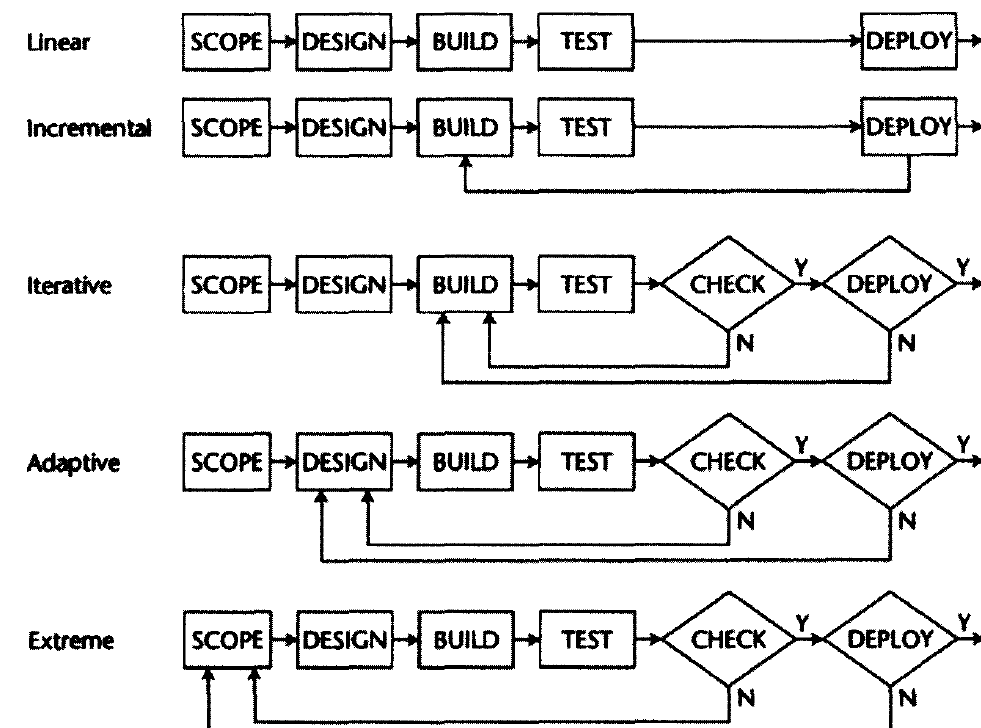
Based on the observation of these strategies, to allow for feedback loops, companies have to revamp their waterfall processes in multiple touchpoints. The more loops a project enables, the more flexibility and adaptability a project will have. But loops are only possible if teams have the autonomy to make their own decisions, a concept known as self-managing teams (Alper et al., 1998). These teams have to operate in a highly connected and collaborative way, and are susceptible to multiple relationship challenges that can undermine their common goals.
Effective vs Ineffective teams
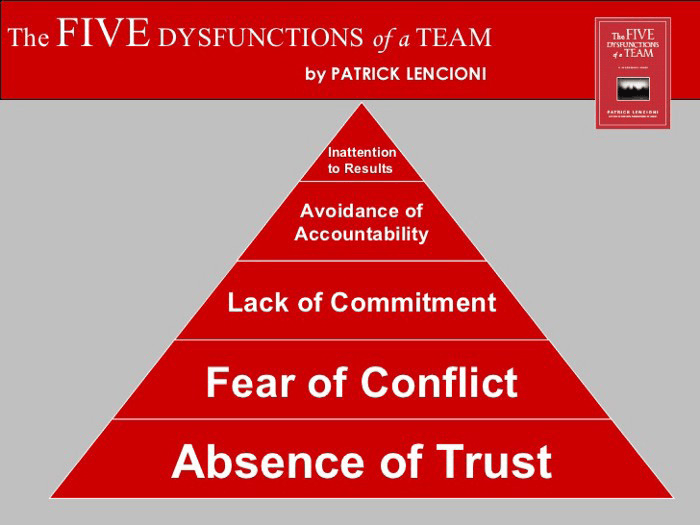
According to Lencioni (2002), teamwork can be the ultimate competitive advantage for companies. The author claims that a group of normal individuals can outperform a team with top individuals if they work well together. The explanation for this comes from the fact that top individuals have more chances to fall under a series of dysfunctions as a team, because their ego will prevent them from trusting each other (Fig. 2).
Lencioni (2002) considers trust as the basis for a team to achieve results (Fig. 3). And the best way to gain trust from others is by being open and honest about your feelings and thoughts. Exposing your vulnerabilities will potentially help others perceive your intentions as good and genuine, helping foster trust. In a team where trust is not present, issues may not be raised, and important decisions may be made without the weight of everyone's opinions. To get it started, the author suggests that team leaders should lead by example, by being the first to expose their vulnerabilities.
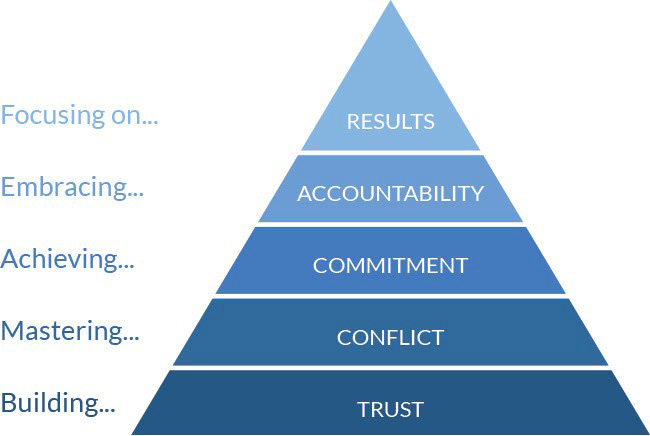
Once trust is present, a team should be able to handle constructive conflict. A type of conflict that should not be seen as a negative event. In fact, decision making benefits from multiple perspectives that sometimes conflict with each other, leading to more debate, iterations and consequently, a well-thought decision. The next step on the Lencioni (2002) pyramid is to achieve commitment. The key at this stage is to hear people's opinions and get everyone on board, even if there is no consensus on the approach. The author reinforces that finding a solution that pleases everyone is not productive. Once commitments are made, their owners should be held accountable for their progress, and peer to peer accountability is crucial for this. Team members may be reluctant to call others' attention and be afraid that this will hurt their relationship, but by not speaking up, that's what will happen. Also, peer pressure is one of the most effective ways of maintaining high standards of performance. The author affirms that if the team understands that the reason is the common good, they will not take it personally.
The author concludes by saying that it's the collective goals instead of individual results that keep teams together. Teams tend to lose their sense without a shared objective, which gets replaced by stagnation, focus on personal metrics, and ultimately with a team member leaving the team.
Cultural differences and their impact on the way teams work
If fostering trust can be the basis to achieve a shared team goal, good communication is a critical skill to make it happen. Most people may consider that being clear and concise can be regarded as good communication. But, a better way to think about this would be first to consider which culture you are communicating with. According to Meyer (2014), in some Asian and African cultures, such as Japan, Kenya, and Indonesia, people tend to communicate in subtle, nuanced and layered ways. Requiring the listener to interpret the meaning of the message. Asking for clarification may be considered rude and a sign that the person did not pay attention to what was said. The author refers to this way of communicating as high-context since its meaning is not implied. While referring to the precise and clear way most Anglo-Saxon cultures communicate as low-context, with the United States being the lowest-context culture in the world, as seen in the diagram of dominant communication styles per country (Fig. 4).
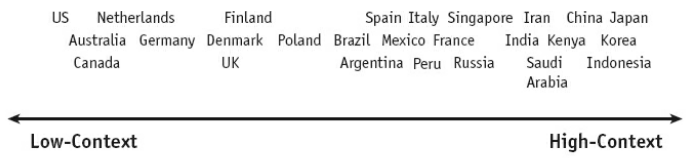
Meyer (2014) explains that the scale alone does not offer all the information to understand how two cultures can communicate. What should be observed is the relative positions of each culture in the scale. While there will be a big disparity in some cases, in others, these cultures may overlap most of the time, even if they rank differently on the scale (Fig. 5). This overlap also shows that there are extremes to the range even within cultures, making nuances even more difficult to perceive if you are not familiar with the culture.
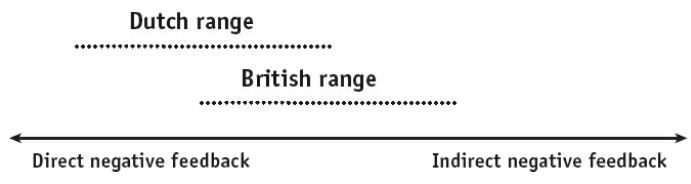
As a recommendation, Meyer (2014) suggests that when it comes to situations within a company, such as multicultural teams scattered in offices around the world, the only way of avoiding misunderstandings when it comes to good communication is to adopt low-context processes.
Individual Reflection
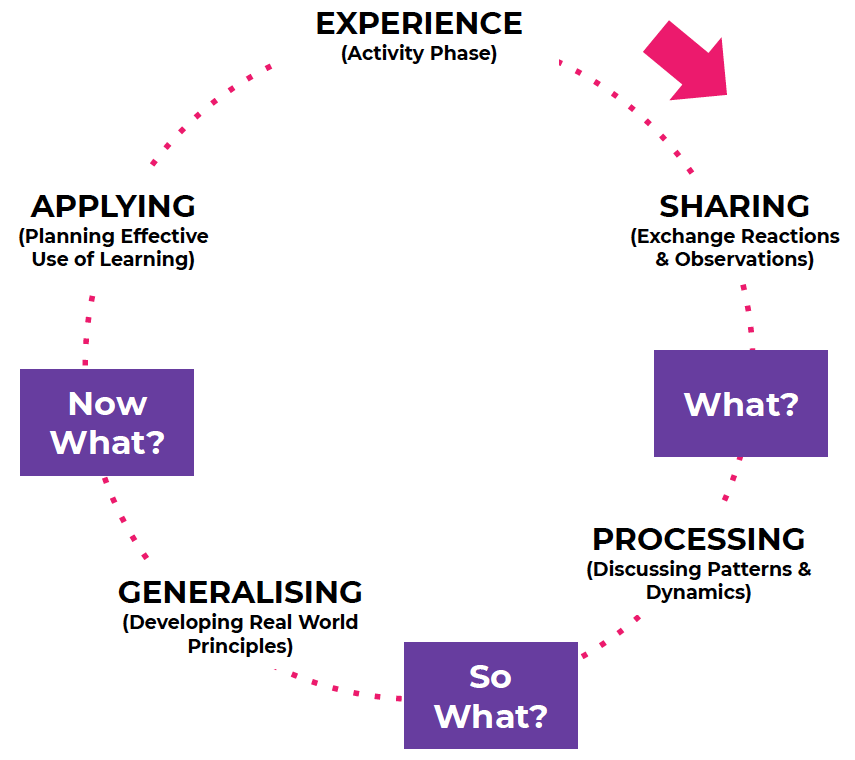
An individual reflection about part one of this report using the Gibbs Reflective Cycle (Fig. 6) (Gibbs, 1988):
Description
The learnings of this research have positively impacted me. I learned that the real force behind successfully managing projects and teams is different than I initially conceived. It shows that this success comes from how team members behave, communicate and expresses their feelings and emotions. Before, I would have attributed it mainly to adopting the best frameworks and tools.
Feelings
If I had to summarize what I'm feeling in a word, it would be caring. Because if you trust someone, it means you deeply care about them, enough to take the time to reflect on a situation and the effort of providing constructive feedback. At the same time, it feels like a challenge. Exposing yourself to conflict situations is scary at first, but once they happen, you realize that it's a powerful moment that helps the involved parties grow.
Evaluation
Focusing on improving and training the human relationship aspect of managing projects and teams is a very mature way of work. So I don't believe that everyone is ready to work on this. I have the feeling that it is a process that may take years for some people to learn. When thinking about recent situations, I now realize that I also have a long learning path ahead.
Analysis
It seems that even with the advancements in trade, globalization and technology, it is still the human relationship that makes a difference. If we don't get each other right, this can be reflected in the technologies and methodologies we create. While algorithms play a significant role in today's society, they are created by humans and their biases. So it's essential that the people who make them understand what trust, accountability, and commitment mean.
Conclusion
I've always been open to learning new ways of working, but reflecting on past situations, I now see how I may have misinterpreted coworkers and even family members regarding constructive feedback and conflict. But at the same time, I've used what I heard to evaluate my behaviour. So I feel I could have incorporated more learnings if I was more open to listening.
Actions & Plan
I feel that I now should put into practice what I've learned. Starting with the team I am part of, by helping them to prevent any behaviour that can push us always from achieving our common goals. I will also bring this content to the attention of others in the company, by sharing my recent learnings and listening to their point of view.
Part Two
I currently work in two roles. My primary role is User Experience Designer for an internal tool and my second as an interim Product Manager (PM). For this report section, I'll focus on my secondary role since it has a better fit with the managing Project and Teams topic. As an interim PM, my responsibility is to ensure that the team can operate in the most efficient and effective way. The team is called Mobile Improvement (MI) team, and is responsible for supporting development teams with tools and frameworks. Unlike most other company teams, the MI team work is heavily focused on technical tasks, with a well-defined scope and process. What makes tracking its success relatively easier.
As a Learning Resource, instead of sharing a summary of the learnings, I've opted to apply what was discovered in the first section into my own team. And share instead its impact on how we work, followed by a suggestion of how other teams at eBay Classifieds Group can validate if these learnings can be adapted to their context.
Methodology
A series of steps were defined to analyse, discuss and agree on ways to change the team's way of working. All sessions were planned as online collaborative workshops, so everyone's perspective could be considered:
- Discovery & Define: A debate and analysis of current issues in the way the team works, followed by the prioritization of the most pressing issues.
- Develop: Iterations and refinement of solutions to change the way the team works. Followed by agenda and documentation changes to accommodate the new process and rituals.
- Delivery: Adoption and implementation of the changes.
- Analysis and Results: Evaluation and discussion about the impact these changes had on the team results.
Discovery & Define
The MI team is relatively new and has been working together for a few months only. It is composed of five mobile developers for iOS and Android, an Engineering Manager, a Quality Assurance Analyst and a Product Manager. Since it's a recently assembled team, there is no previous assessment on the team efficiency (Fig. 7). A retrospective meeting, a standard ritual in agile frameworks, was chosen as a method to access its current state. Its objective is to recognise software engineering successes and failures, identify action points to solve the problem and reduce the likelihood of it happening again (Lehtinen et al., 2017).
All the issues raised were discussed, and every team member had a chance to weigh on the topics. At the end of the session, the issues were then prioritised based on their perceived urgency. The main identified pressing issues were:
- Team goal clarity: The current one had room for interpretation.
- Task accountability: Some tasks had no owner, making the accountability for its competition difficult.
- Team rules: Not enough clarity on team roles and rules.
- Shared communication: Not enough time together to discuss issues, and therefore decisions were being made in isolation.
Develop
Team goal clarity
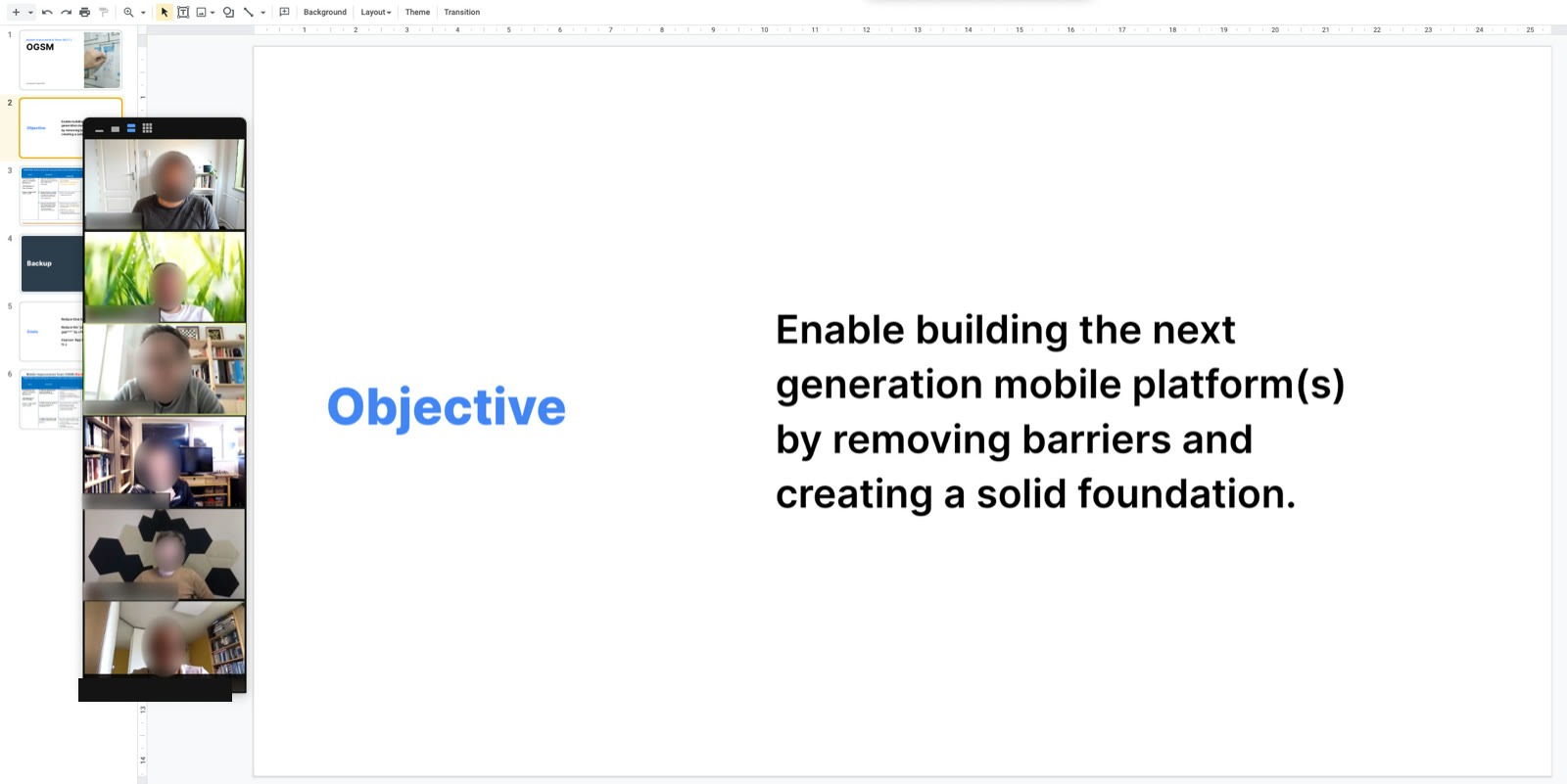
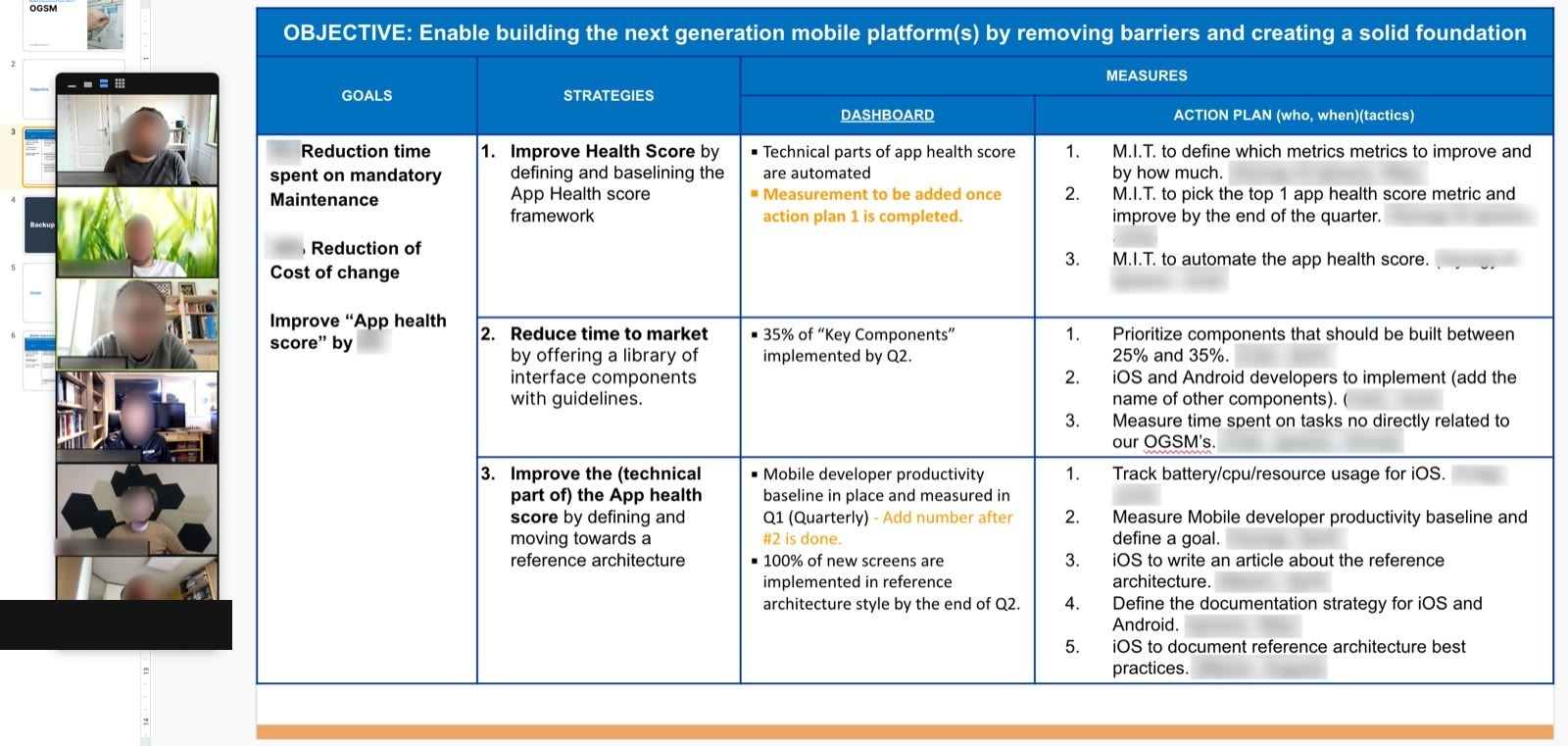
As learned previously, clear and measurable objectives will help teams stick together (Lencioni, 2002). So our first step was a collaborative online session (Fig. 8) to review and refine our team goal. Which resulted in its modification focused on clarifying its wording and leaving no room for interpretation. The team also decided that instead of checking the goal progress monthly, this would now be done weekly. Allowing for its strategies to be adapted even faster than before.
Task accountability
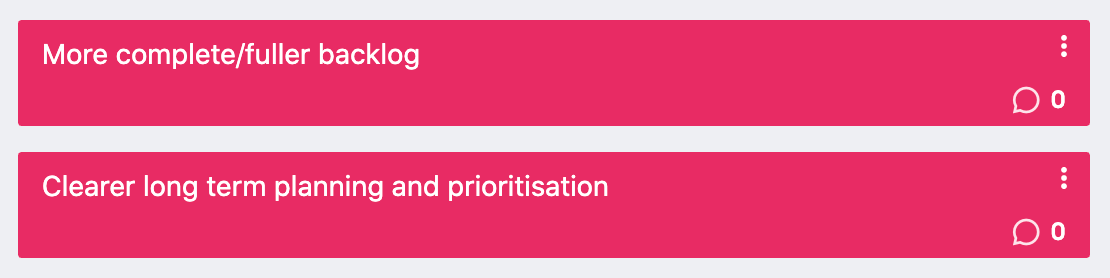
Self-organizing teams are empowered to make their own decisions, helping them quickly respond to changing environments (Kakar, 2017). These decisions are usually related to a task owned by an individual, making ownership and accountability a must in this type of team. The new goal for the MI required the team to review its roadmap, which while still reflecting the overall company goals, it had its strategy and tasks updated to focus on a lean and agile backlog (Fig. 9). This was also an opportunity of making sure all tasks have a team member assigned to improve accountability.
Team rules
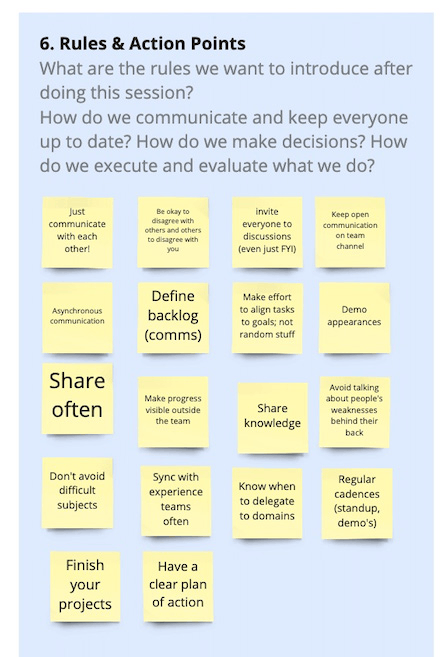
The Team Canvas is a framework that enables members of a team to be on the same page quickly. It encourages discussions around roles, goals, values, strengths, weaknesses and rules of a team (Ivanov and Voloshchuk, 2015). From the beginning, the session facilitator needs to make sure everyone understands that it is a safe space for opinions. Otherwise, the expected constructive conflicts necessary to agree on the topics will not happen. The MI team was able to overcome the initial trust challenges. By having an open and honest conversation on how the team should work moving forward (Fig. 10).
Shared communication
To improve visibility and transparency, the MI team adopted an asynchronous and collaborative way of communicating. Any identified issue should be raised in the team communication platform instead of privately discussed, so every member has the chance to opine on the subject. Also, a channel was opened to receive feedback from other teams in the company, to improve the collaboration with other stakeholders.
Delivery
In a final meeting, all the previous phases were revised and their risks accessed. The changes in rituals, roles and responsibilities were not considered a significant risk, since all the team members understood that this was necessary to achieve the revised common goal. So all the steps from the previous phase were implemented in the current team process (Fig. 11).

Analysis and Result
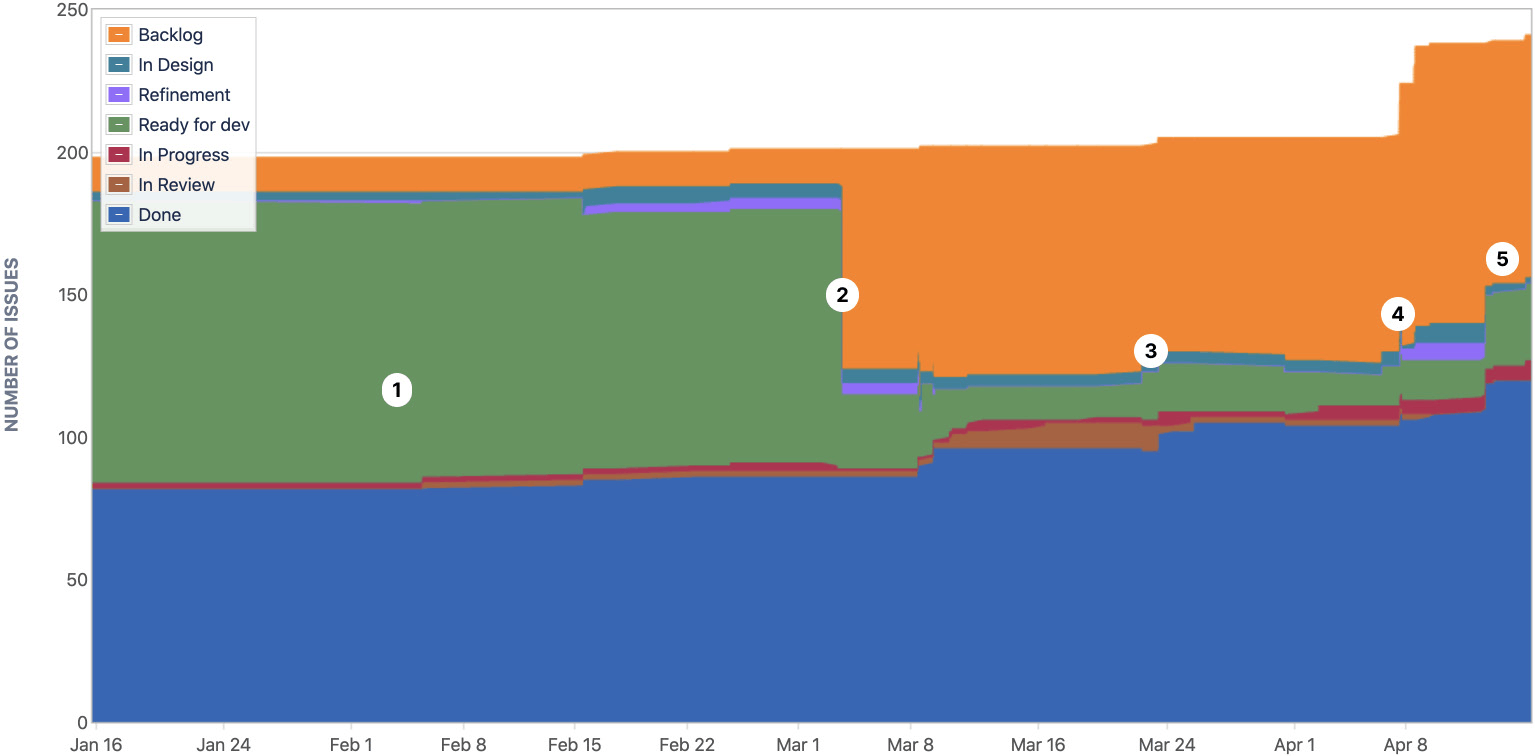
During the implementation phase, it was possible to notice that the team overcame most of the trust, conflict and accountability challenges analysed in the first section. There is still much to improve, but it is possible to notice a shift in the team dynamics already. Once implemented, the MI team worked on the new setup for a month. The team works on three main tracks, with the primary one being a track called "Reduce time to market". Since this track represents most of what the team works on, only its result was analysed for now. A few interesting patterns were observed, when a team performance chart containing data from the last four months was generated (Fig. 12):
- The number of tasks finished was growing slowly but steady. Many tasks were flagged as ready for development, while actually, they were not yet revised by the whole MI team.
- Implementation of the new way of working, where only revised and discussed tasks are ready to move forward. This increases the backlog but allows priorities to be shifted quicker.
- The first signs of an increase in team performance, measured by the number of tasks flagged as done.
- Developers start to get faster than the availability of new tasks to work on, discussions happen on ways to prevent this issue from moving forward.
- Changes from number four are implemented right away, allowing for a buffer on the backlog and ready for development tasks. This agile way of making decisions enables the MI team to perform even faster, with a noticeable increase in speed than the previous months.
Final considerations
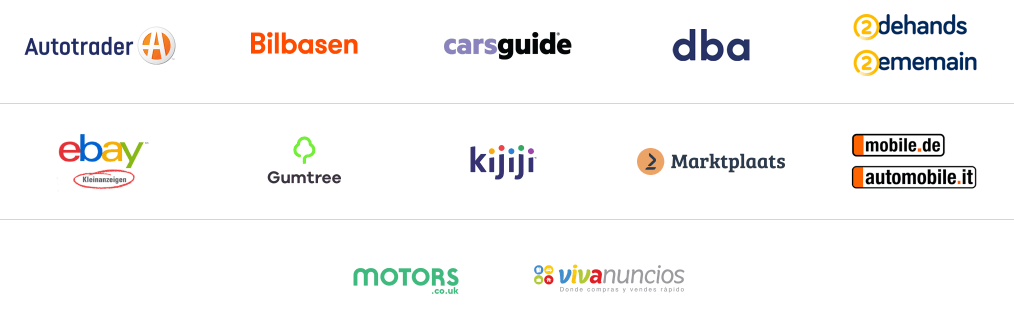
The results observed in the MI team were very positive, but this is only one of the hundreds of teams in the company. Over the past ten years, eBay Classifieds Group acquired brands in different parts of the world (Fig. 13). What created a multicultural work environment that incentivizes global teams to connect to maximize collaboration and results. Considering the learnings of this report, there is a potential for improvement in how these teams work.
As a recommendation, it's essential to understand that the company teams have autonomy and flexibility to choose how they will work. Their processes are usually adaptations of multiple methods and frameworks. This scenario creates a challenge for scalable improvement opportunities. A better approach could be to allow these teams to identify what is wrong with how they work, not regarding their process and tooling but about their relationship. A good candidate for this task is the Lencioni (2002) Team Assessment (Fig. 14). Based on the authors' pyramid of dysfunctions, this activity can reveal if the lack of trust is preventing teams from achieving their goals.
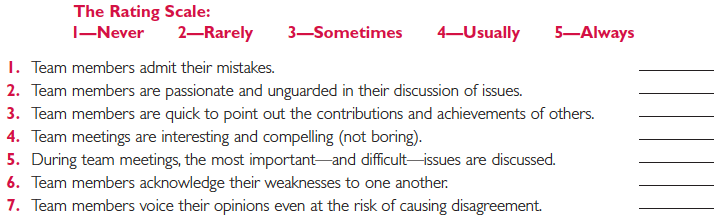
This assessment could also indicate a perceived imbalance in power, where members from a particular country or region perceive their counterparts in other locations of the world as privileged (Neeley, 2015). Investing in improving teams should be a constant effort by the company, and teams should learn how to identify what is stopping them from achieving their common goals. This combination is essential for a company to achieve the ultimate competitive advantage.
Bibliography
- Alper, S., Tjosvold, D. and Law, K. S. (1998) 'Interdependence and Controversy in Group Decision Making: Antecedents to Effective Self-Managing Teams', Organizational Behavior and Human Decision Processes, 74(1), pp. 33–52. doi: 10.1006/obhd.1998.2748.
- Atkinson, R. (1999) 'Project management: cost, time and quality, two best guesses and a phenomenon, its time to accept other success criteria', International Journal of Project Management, 17(6), pp. 337–342. doi: 10.1016/S0263-7863(98)00069-6.
- Fernandez, D. J. and Fernandez, J. D. (2008) 'Agile Project Management: Agilism versus Traditional Approaches', Journal of Computer Information Systems, 49(2), pp. 10–17. doi: 10.1080/08874417.2009.11646044.
- Gibbs, G. (1988) Learning by Doing: A guide to teaching and learning methods.
- Hobbs, B. and Petit, Y. (2017) 'Agile Methods on Large Projects in Large Organizations', Project Management Journal, 48(3), pp. 3–19. doi: 10.1177/875697281704800301.
- Hohl, P. et al. (2018) 'Back to the future: origins and directions of the "Agile Manifesto" – views of the originators', Journal of Software Engineering Research and Development, 6(1), p. 15. doi: 10.1186/s40411-018-0059-z.
- Ivanov, A. and Voloshchuk, M. (2015) Team Canvas - Bring Your Team on the Same Page, Team Canvas. Available at: theteamcanvas.com.
- Joslin, R. and Müller, R. (2015) 'Relationships between a project management methodology and project success in different project governance contexts', International Journal of Project Management, 33(6), pp. 1377–1392. doi: 10.1016/j.ijproman.2015.03.005.
- Kakar, A. K. (2017) 'Assessing Self-Organization in Agile Software Development Teams', Journal of Computer Information Systems, 57(3), pp. 208–217. doi: 10.1080/07362994.2016.1184002.
- Lehtinen, T. O. A., Itkonen, J. and Lassenius, C. (2017) 'Recurring opinions or productive improvements: what agile teams actually discuss in retrospectives', Empirical Software Engineering, 22(5), pp. 2409–2452. doi: 10.1007/s10664-016-9464-2.
- Lencioni, P. (2002) The five dysfunctions of a team: a leadership fable. 1st ed. San Francisco: Jossey-Bass.
- Meyer, E. (2014) The culture map: breaking through the invisible boundaries of global business. New York: PublicAffairs.
- Neeley, T. (2015) 'Global Teams That Work', Harvard Business Review, 1 October. Available at: hbr.org.